
Señales de que su hijo necesita una frenectomía
If your pediatrician or family doctor has referred your child to our office because they believe they may need a frenectomy, you may be understandably nervous. Surgery on a child of any age is cause for concern, but a frenectomy is a common, quick procedure that can make a huge difference in your child’s development and comfort.
What is a Frenectomy?
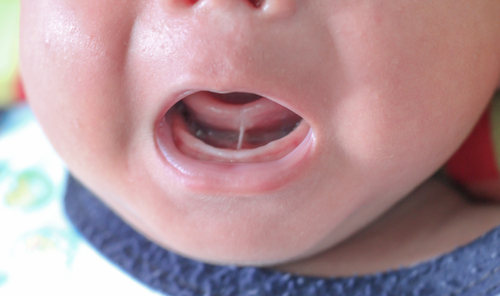



A frenectomy is simply the release of a frenum—a small fold of tissue in the mouth that connects two parts together. We all have them, but sometimes they are too short, thick, or tight, which can limit movement. This is often called a “tie.”
There are two main types of frenectomy:
- Lingual Frenectomy: This addresses a “tongue-tie.” It involves the tissue connecting the underside of the tongue to the floor of the mouth. If it’s too tight, the tongue can’t move freely for eating or speaking. It is often first discovered when an infant has difficulty nursing.
- Maxillary Frenectomy: This addresses a “lip-tie.” This involves the tissue connecting the upper lip to the gum tissue above the front teeth. A tight lip-tie can sometimes make it hard for a baby to “flange” their lips during feeding or may later cause dental issues, such as a wide gap between the front teeth.
Signs Your Child May Need a Frenectomy
The signs often vary depending on your child’s age. Here are a few things to look out for:
- For Infants: Difficulty latching during breastfeeding, clicking sounds while nursing, poor weight gain, or a “heart-shaped” appearance at the tip of the tongue when they cry.
- For Toddlers and Older Kids: Difficulty pronouncing certain sounds (like “t,” “d,” “l,” o “r”), a significant gap between the front teeth, or trouble moving the tongue from side to side to clear food from their teeth.
At What Age is a Frenectomy Performed?
One of the great things about this procedure is that it can be performed at virtually any age.
- Infants: Often done within days or weeks of birth if the baby is struggling to feed.
- Toddlers/Children: Frequently performed when speech delays or orthodontic issues become apparent.
- El “Wait and See” acercarse: A veces, a mild tie doesn’t cause issues until a child starts eating solid foods or speaking, so the timing really depends on when the functional symptoms appear.
The Frenectomy Procedure
The procedure itself is surprisingly fast, often taking less than 15 minutos.
Dr. Valiente may use a scalpel in some frenectomies and suture the area closed, particularly if the frenum is very tight. In other cases, he may use a dental laser. The laser is highly precise, minimizes bleeding, and actually “seals” the tissue as it works, often making stitches unnecessary. For older children, a local anesthetic is used to keep them comfortable. For infants, the process is so quick that many parents find the baby is ready to nurse or take a bottle immediately afterward for comfort.
Recovery: What to Expect
Recovery is generally smooth, but it does require a little bit of “homework” for the parents.
- Stretches: Dr. Valiente will show you some gentle “active wound management” stretches. These are vital to prevent the tissue from growing back together too tightly.
- Comfort Care: For the first 24–48 hours, your child might be a bit fussy. Cold liquids, frozen teething toys, or age-appropriate doses of infant acetaminophen can help.
- Tiempo de recuperación: The area usually heals very quickly. You’ll notice a small white or yellowish diamond-shaped patch where the procedure was done. This is a normal “wet scab” and a sign of healthy healing.
Every child is unique, so the best first step is always a conversation with Dr. Valiente to make sure you understand the process and what you hope to achieve for your child. Whether it’s to help with a better latch or clearer speech, this minor surgery can lead to a much happier, more comfortable child.
If you suspect or have been told your child needs a frenectomy, a consultation with Dr. Valiente is the first step toward a solution. Please call our office at Número de teléfono de la oficina del Centro de Cirugía Bucal e Implantes Dentales (813) 968-5400 a programar una consulta for you and your child.
Los comentarios están cerrados.