



Injerto óseo explicado: Por qué algunos pacientes de Tampa lo necesitan antes de los implantes dentales
Implantes dentales have become one of the most popular ways to replace missing teeth, y es fácil ver por qué. Se ven y se sienten como dientes naturales., están construidos para durar, y pueden marcar una diferencia real en cómo se sienten los pacientes con respecto a sus sonrisas.. What many people don’t realize is that getting implants isn’t always a single step. Some patients in Tampa are surprised to learn that a bone graft may be needed first, and that’s completely okay. This article is here to help you understand why bone grafting is sometimes part of the journey toward a healthier, longer-lasting smile.
 The Hidden Impact of Missing Teeth
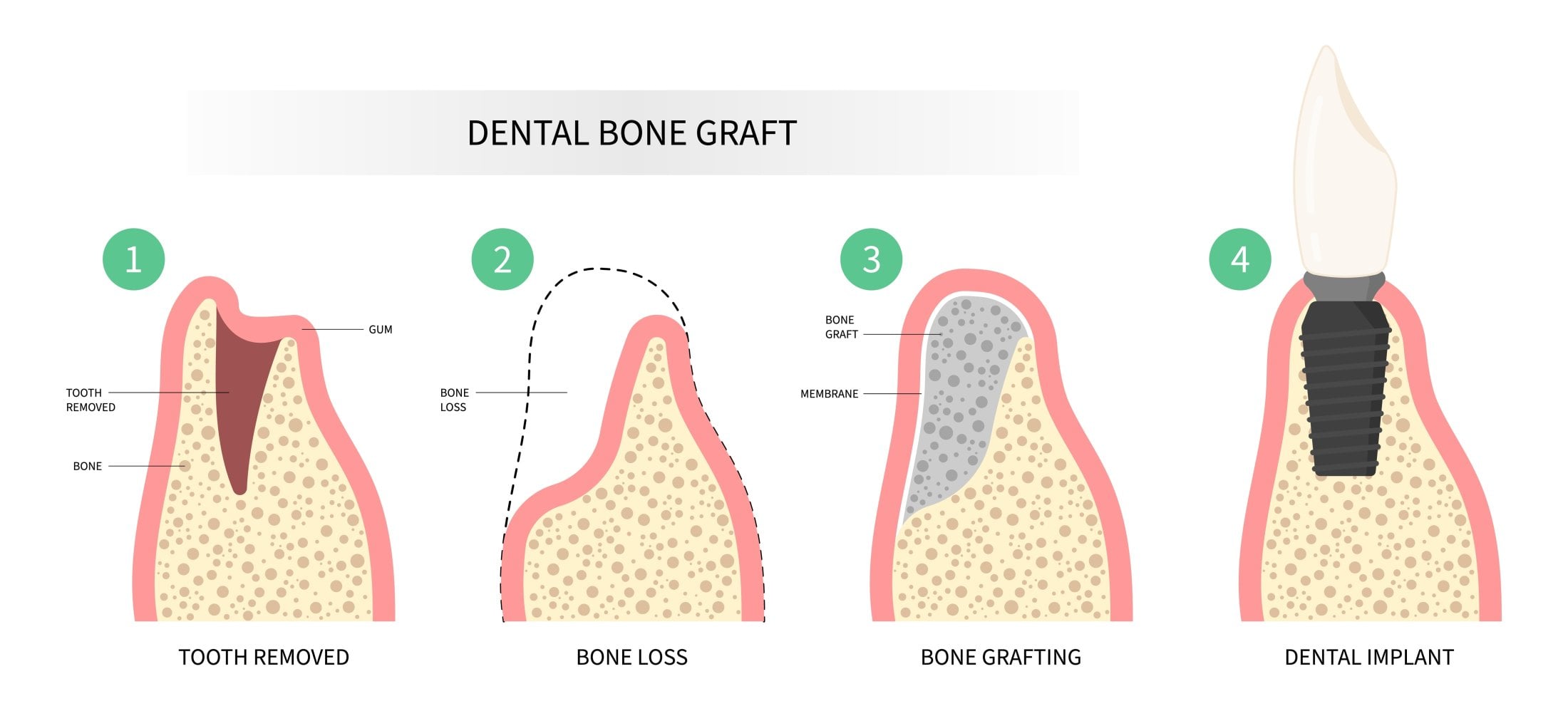
When a tooth is lost, the effects go beyond what you can see in the mirror. Beneath the surface, the jawbone that once surrounded and supported that tooth root begins to change. Without the stimulation from biting and chewing, the bone no longer has a reason to maintain its density and volume. This gradual process, known as bone resorption, can begin within just a few months of losing a tooth and continues over time if left unaddressed.
Why Dental Implants Need a Strong Foundation
Think of a dental implant the way you’d think of building a house. No matter how well the structure is designed, it needs a solid foundation beneath it to stand the test of time. Implants are anchored directly into the jawbone, so they rely on healthy, dense bone for support and long-term stability. When there isn’t enough bone volume or density present, an implant may not be able to integrate properly, which can affect both its function and its longevity.
Common Reasons Tampa Patients Need Bone Grafting
Several different situations can lead to bone loss in the jaw. Understanding the most common causes can help patients make sense of why grafting may be part of their treatment plan.
Waiting Too Long to Replace Missing Teeth
The longer a tooth goes unreplaced, the more bone loss tends to occur in that area. Delayed treatment gives resorption more time to progress, which can make the path to implants more involved than it might have been with earlier intervention.
Advanced Gum Disease
Periodontal disease doesn’t just affect the gums. When left untreated, the infection can spread to the bone that supports the teeth, breaking it down over time. Patients who have experienced advanced gum disease may have less bone available as a result.
Trauma or Injury
Accidents and facial injuries can damage the jawbone directly, leaving behind areas where bone structure has been compromised. En estas situaciones, bone grafting may be necessary to restore what was lost before implant placement can move forward.
Long-Term Denture Use
Dentadura postiza sit on top of the gums rather than connecting to the jawbone, so they don’t provide the stimulation that natural teeth or implants do. A través del tiempo, this lack of stimulation can cause the underlying bone to shrink, which is one reason many long-term denture wearers find they need grafting when they pursue implants.
Natural Anatomy
Some patients simply have less bone in certain areas of the mouth due to their natural anatomy. This isn’t a sign of neglect or poor oral health. It’s just a factor that may need to be addressed to make implant placement successful.
How Bone Grafting Helps Make Dental Implants Possible
The goal of bone grafting is straightforward: to rebuild areas of the jaw where bone has been lost or is insufficient. Grafting materials, which may come from the patient’s own body, a donor source, or a synthetic alternative, are placed in the targeted area and encourage the body to grow new bone over time. The result is a stronger, more stable foundation that can support an implant. Bone grafting is a routine part of implant dentistry, and many patients who might have assumed they weren’t candidates are able to move forward with treatment after a successful graft.
What Happens During a Bone Grafting Procedure?
The process typically begins with a consultation and imaging. En el Centro de Cirugía Oral e Implantes Dentales, Dr.. Valiente uses 3D scans to get a precise look at bone levels and structure, which allows for careful treatment planning before any procedure begins. The grafting procedure itself involves placing bone material at the site that needs rebuilding, using techniques designed with patient comfort in mind. Sedation options are available to help patients feel at ease throughout the process. Recovery varies by individual, but Dr. Valiente’s team will walk you through what to expect and how to care for the area as it heals.
How Long Does It Take Before Implants Can Be Placed?
Healing timelines after injerto óseo vary from patient to patient depending on the size of the graft and how the body responds. En general, patients may wait several months for the graft to fully integrate with the surrounding bone before implant placement begins. In some situations, grafting and implant placement can be done at the same time, though this depends on the specifics of the case. Allowing the graft enough time to properly integrate is an important part of setting the implant up for long-term success.
The Long-Term Benefits of Bone Grafting
Patients who complete bone grafting before their implants often enjoy stronger outcomes in the long run. A well-supported implant is more stable and has a higher likelihood of lasting for many years. Rebuilding the jawbone also helps preserve facial structure, which can be affected when bone loss goes unaddressed over time. The final result tends to look more natural, and patients gain the ability to pursue implants even when bone loss had previously seemed like a barrier.
Don’t Assume You’re Not a Candidate for Dental Implants
One of the most common misconceptions we hear is that bone loss automatically disqualifies someone from getting dental implants. That simply isn’t true for many patients. Modern bone grafting techniques have opened the door for people who might have been told implants weren’t an option in the past. Rather than making assumptions based on what you’ve heard or read, the best thing you can do is get a professional evaluation. A consultation with Dr. Valiente can give you a clear picture of where things stand and what options are available to you.
If you’ve been putting off exploring dental implants because you’re not sure whether you qualify, we’d encourage you to take that first step. Every patient’s situation is different, and there may be more options available than you realize. Contact the Center for Oral Surgery and Dental Implants in Tampa to Programe una consulta and find out what a personalized treatment plan could look like for your smile.
Los comentarios están cerrados.