

Frenectomía | Tampa & parque de cítricos
Una frenectomía es una simple, Procedimiento quirúrgico en el consultorio para cortar la banda de tejido que conecta la lengua o el labio superior con las encías cuando está demasiado apretada o demasiado gruesa.. Dr. Valiente performs frenectomies under local anesthesia and, si es necesario, sutura o cauteriza el área para detener cualquier sangrado.
Common Reasons for a Frenectomy
Tongue Ties
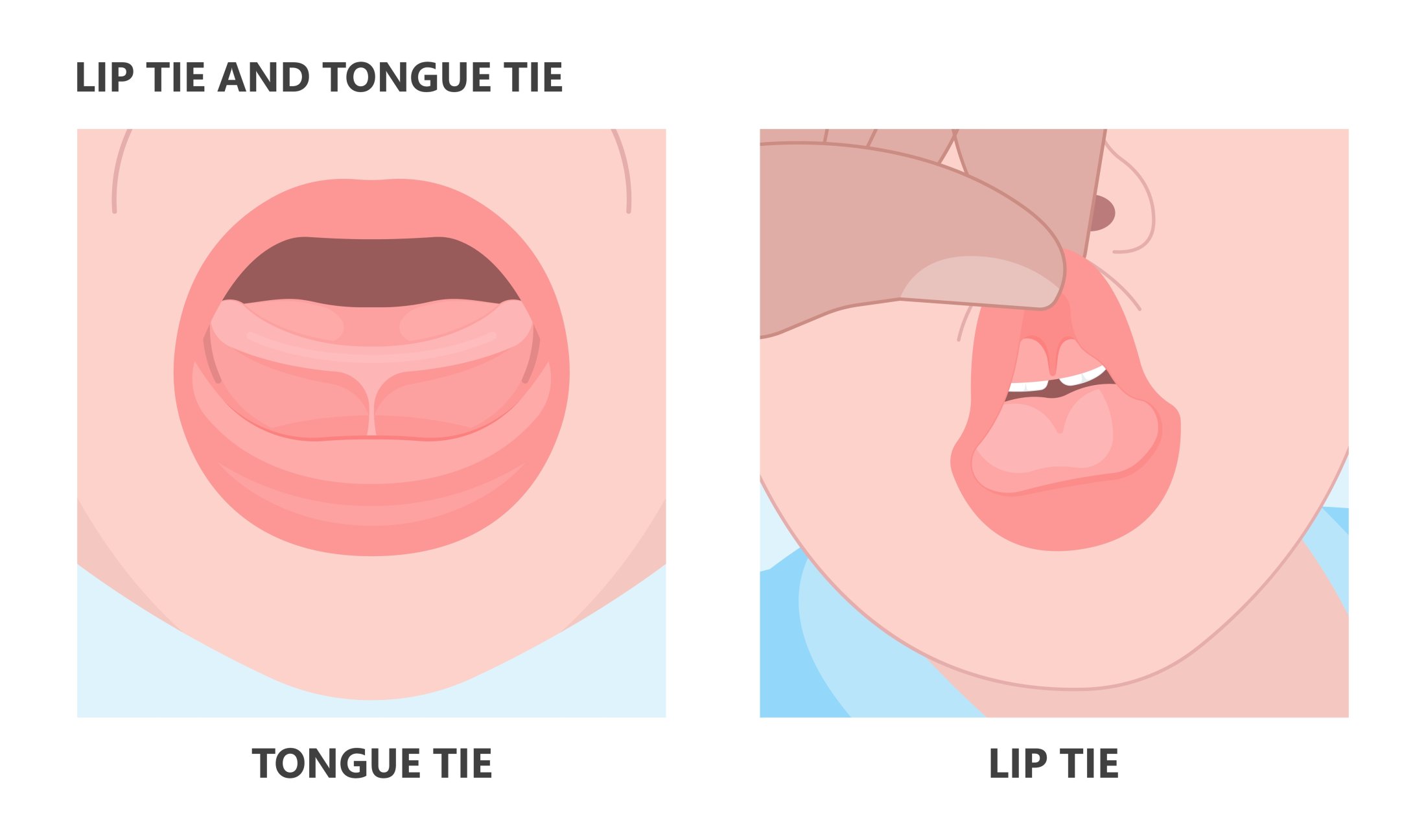



When the frenulum is too thick or short, it results in tongue tie, restricting tongue movement and interfering with the ability to speak properly and, in infants, nurse. A lingual frenectomy releases the frenum from holding the tongue down, allowing increased movement and improving an infant’s ability to suck.
Lip Ties
When the frenulum connecting the upper lip and gums is too tight, it restricts the lip’s movements. This can lead to difficulty with latching for infants, prolonged feeding times, acid reflux, colic, and failure to thrive. In older children, it can lead to cavities, a gap in the teeth, and other dental issues. A labial frenectomy releases the too-tight frenum from the lips.
Gum Recession
Gum recession exposes the roots of the teeth, creating pockets between the teeth and gums where bacteria accumulate. Untreated, this can lead to gum disease, infección, and tooth loss. A frenectomy can release the tension of an abnormally tight frenum that may be pulling the gums back from the teeth. This allows the gums to reattach to the teeth’s roots, preventing further recession and reducing pockets that could harbor bacteria.
Benefits of a Frenectomy
- In Infants, Improved Nursing: Infants can latch better and nurse more effectively when breastfeeding.
- Improved Function: The tongue or lips have greater mobility, improving speech, eating, and swallowing.
- Improved Aesthetics: A frenectomy can help close the gap between the front teeth, resulting in a more pleasing appearance.
- Improved Fit for Dentures: If a tight frenulum interferes with the fit of dentures, a frenectomy can help improve the fit.
The Frenectomy Procedure
 offers both traditional and laser frenectomy procedures. Both are performed under local anesthesia for the patient’s comfort. During a conventional frenectomy, an incision is made in the frenum, and a small section of tissue is cut away using a scalpel. The wound is then closed with a few sutures. Healing usually takes 1 a 2 semanas. This technique is suitable for all types of frenectomies, and is most appropriate for particularly thick or tight frenum.
If a laser frenectomy is appropriate, Dr. Valiente will still numb the area with a local anesthetic. Sin embargo, less will be needed because no incisions will be made. Es posible desarrollar una infección si no practicas una buena higiene oral, a laser targets the frenum tissue to ablate the specific area that is interfering with movement or function. The laser reshapes or removes the tissue, immediately sealing blood vessels as it does so. Recovery is quicker, and the wound heals naturally with a lower risk of infection and minimal bleeding.
Frenectomy Frequently Asked Questions
When should my child get a frenectomy in Citrus Park?
The timing of a child’s frenectomy depends on which type of problem is being treated and the severity of the problem. A lingual frenectomy (for tongue tie) can be performed as soon as a few weeks after birth. A labial frenectomy is usually performed once the permanent teeth have erupted.
Do adults ever have frenectomies?
Absolutely! Some decide to have a frenectomy for cosmetic reasons (for instance, if a lip tie causes the gap between their teeth). Many adults also experience gum recession, which can lead to serious dental health problems that can be avoided by undergoing a frenectomy to minimize the recession. If a tight frenum interferes with dentures, a frenectomy can allow for more room for the top denture to fit comfortably along the gum line.
Are there any risks to a frenectomy?
As with any oral surgery, there are some risks, but they are mild and rare. These include infection, scarring, or tissue reattachment. Any of these can generally be avoided if you follow your post-operative care instructions properly. Your speech may be altered slightly, but this is typically a temporary condition that resolves within a few weeks.
Can a frenectomy help with speech problems?
En algunos casos, yes. Your doctor may suggest that you or your child consider a frenectomy because a tongue tie interferes with speech, particularly if you have trouble pronouncing the letters “l,” “riñonal,” y “º” clearly. Frenectomy is often combined with speech therapy in these situations.
If you or your child could benefit from a frenectomy, please get in touch with the Centro de Cirugía Bucal & Implantes Dentales en Número de teléfono de la oficina del Centro de Cirugía Bucal e Implantes Dentales (813) 968-5400. Dr. Valiente will determine the best option for you or your child at your initial consultation.