



Lo que hace y se deben hacer de los implantes dentales cuidados para una sonrisa duradera
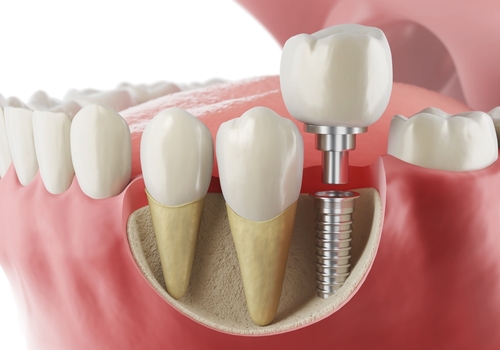 Una vez que haya recibido sus implantes dentales, debe cuidarlos para asegurarse de que le proporcionen las décadas de rendimiento para las que están diseñados.. Ya sea un cambio de imagen de un diente o de una sonrisa completa, Los implantes son una excelente inversión en su salud bucal y confianza.. Pero como cualquier cosa valiosa, they need some TLC to keep them in top shape. The good news? Taking care of dental implants isn’t difficult. It just takes a bit of consistency and common sense. Here are some simple do’s and don’ts:
Hacer: Brush and Floss Daily
Dental implants may not develop cavities, but they can accumulate plaque and bacteria, just like natural teeth. That means brushing twice a day and flossing once daily is still a must. Use a soft-bristle toothbrush and non-abrasive toothpaste to keep everything clean.
no: Use Your Teeth as Tools
Need to open a package or rip off a clothing tag? Don’t use your implants for the job. Treat your implants like natural teeth (or better), and avoid using them to bite down on anything hard, non-edible, or sticky. It’s not worth the risk of damage.
Hacer: Visit Your Dentist Regularly
Even with a great at-home routine, professional cleanings and checkups are key. Your dentist will examine the health of your gums, assess the condition of your implant, and ensure everything is functioning properly. Catching any issues early means easier (and less expensive) fixes.
no: Smoke or Use Tobacco
Tobacco use is one of the biggest risks to implant success. It slows healing, increases the risk of gum disease, and can cause your implant to fail. If you’ve ever needed a reason to quit, keeping your implants healthy is a pretty good one.
Hacer: Use a Water Flosser or Interdental Brush
These tools make cleaning around implants easier and more effective, especially if you’ve got multiple or hard-to-reach areas. Water flossers gently remove debris and bacteria, while interdental brushes get into tight spaces without damaging your gums.
no: Ignore Bleeding or Discomfort
Minor soreness after surgery is normal, but if you’re experiencing ongoing bleeding, hinchazón, or pain around your implant, don’t wait and call the office. These could be signs of peri-implantitis (a form of gum disease) or other issues. A quick visit to your dentist or our office can prevent bigger problems down the road.
Hacer: Stick to a Healthy Diet
A balanced diet supports your gum health and bone strength, both of which are essential for long-term implant success. Después de su cirugía, we’ll provide dietary guidelines for the first few weeks. You will gradually be able to reintroduce crunchy or chewy foods as you heal.
The Bottom Line
Dental implants are strong, de confianza, and built to last, but they still require care. Treat them like the long-term investment they are, and they’ll reward you with a healthy, confident smile for years to come.
Los comentarios están cerrados.