



Why Do Wisdom Teeth Hurt?
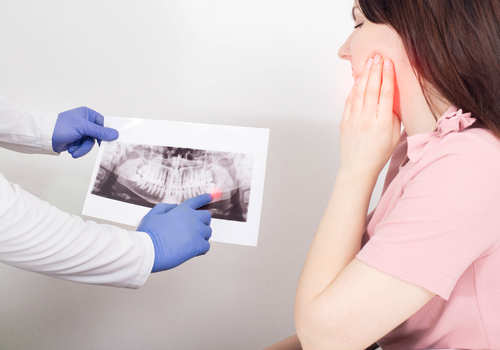 Most of our permanent teeth emerge without any issues or pain, except for wisdom teeth. While some individuals’ wisdom teeth erupt without issue, others experience considerable pain when their third molars begin to emerge. Why are the wisdom teeth, which are usually the last teeth to come in, so prone to cause pain?
Lack of Space in the Jaw
One of the most common reasons wisdom teeth hurt is that there isn’t enough room for them to grow in properly. The modern human jaw is often too small to accommodate these extra molars, leading to crowding, pressure, and discomfort as they push against surrounding teeth.
Impaction
An impacted wisdom tooth does not fully erupt through the gums. It may grow at an angle, stay trapped under the gum line or bone, and press into the adjacent molar. This can cause sharp or throbbing pain and swelling, and even lead to infections.
Infection or Inflammation (Pericoronitis)
When a wisdom tooth partially breaks through the gum, it creates an opening where bacteria can accumulate. This can result in pericoronitis—an infection of the gum tissue surrounding the tooth. Symptoms may include pain, bad breath, a bad taste in your mouth, and difficulty opening and closing your mouth.
Tooth Decay or Gum Disease
Wisdom teeth are located at the very back of the mouth, making them difficult to clean. As a result, they are more susceptible to cavities and gum disease, which can cause significant discomfort.
Pressure on Surrounding Teeth
Even if a wisdom tooth is erupting normally, it can still cause a dull ache or pressure as it shifts other teeth in the jaw. This can lead to bite misalignment or orthodontic issues, particularly in patients who have had braces.
What Can Be Done About Wisdom Tooth Pain?
If you’re experiencing pain from your wisdom teeth, it’s essential not to ignore it. Here are some common treatment options:
- Over-the-counter Pain Relief: Mild pain can often be controlled with over-the-counter medications, such as acetaminophen or ibuprofen. These help reduce inflammation and provide temporary relief.
- Saltwater Rinses: Rinsing your mouth with warm salt water helps keep the area clean and reduces inflammation, especially if the gums are sore or puffy.
- Good Oral Hygiene: Keeping the area around your wisdom teeth clean is crucial, especially if they are partially erupted. Use a soft toothbrush and floss carefully to prevent plaque buildup.
- Antibiotics: If an infection is present, an antibiotic can be prescribed to control and reduce the infection.
- Wisdom Tooth Extraction: In many cases, removing the wisdom teeth is the most effective long-term solution—especially if the teeth are impacted, infected, or causing crowding. Extraction can be performed under intravenous sedation, nitrous oxide analgesia, and local anesthesia. It involves a short recovery period with some swelling and discomfort.
When to See a Dentist
You should contact your dentist or the Center for Oral Surgery and Dental Implants if:
- You experience persistent pain at the back of your mouth.
- Your gums are red, swollen, or bleeding near the wisdom teeth.
- You have difficulty chewing, talking, or opening your jaw.
- You have an unpleasant taste in your mouth or signs of infection.
Early diagnosis and treatment will help prevent more serious issues and maintain your smile’s health. Contact the Center for Oral Surgery and Dental Implants at 813-968-5400 to schedule a consultation.
Comments are closed.